Slipper World ·
How to store hut slippers and blankets after the season – and keep moths away
How to prepare warm hut slippers and blankets for storage, where to keep them and what to do if moths appear. Simple steps so everything is like new in autumn.
In spring, warm hut slippers and cosy blankets go into the wardrobe for a few months. In autumn it sometimes turns out that someone has been feasting on them – moths. Here's how to prepare and store warm textiles after the season so they're just as you left them when autumn comes.
Why do moths like textiles?
The damage isn't done by the adult moths but by their larvae. They feed on natural fibres. Things that lie untouched and folded in one place for a long time are most at risk – as are items put away dirty.
Before you put them away
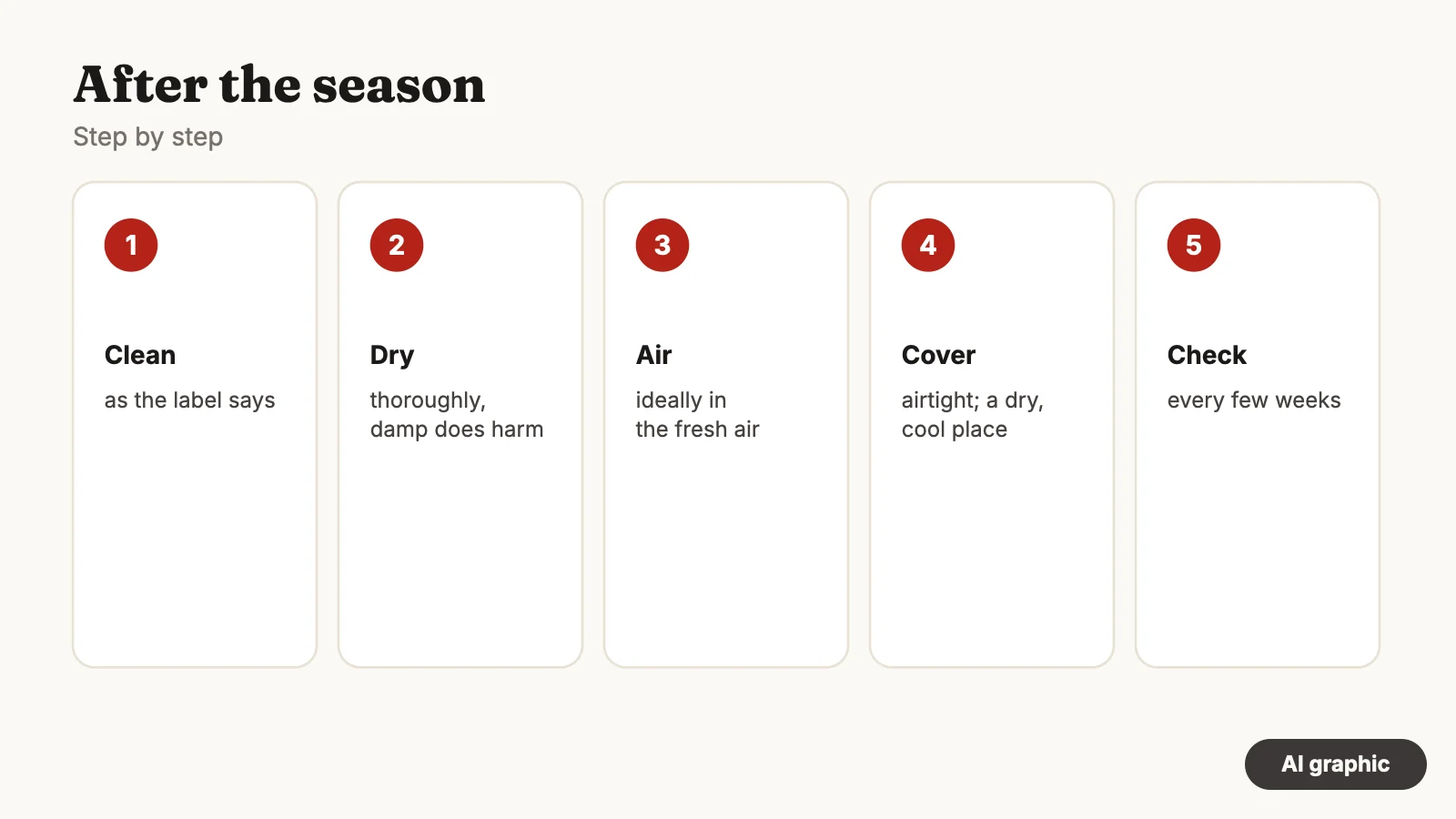
- Clean or wash them according to the label. Clean warm hut slippers gently – you'll find tips in our guide How to wash and clean slippers.
- Dry them thoroughly. Moisture on its own harms natural fibres, and things easily go musty in a closed box.
- Air them – ideally outdoors.
How to store them
- Airtight covers or boxes – the simplest barrier against moths.
- A dry, cool place – not the cellar or the loft, which can be damp.
- Roll blankets rather than folding them sharply – the fibres crease less.
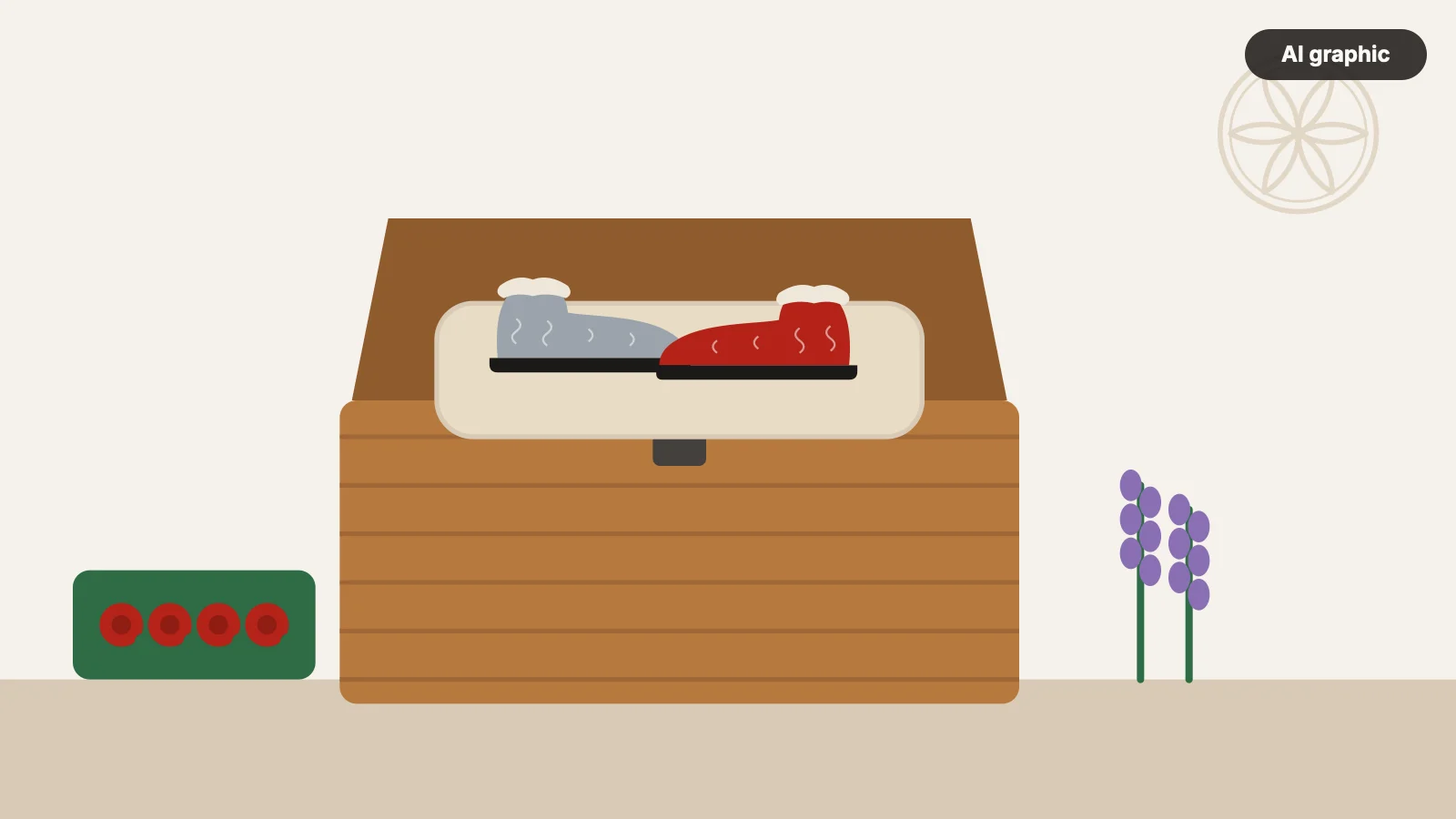
- Lavender or cedar – popular home remedies that smell nice but aren't a guarantee. Use them as an extra, not instead of an airtight cover.
- A check every few weeks – take things out, air them and look for holes.
What to do if moths are already there
- Wash the affected items and, once dry, put them in a bag in the freezer for 2–3 days. Eggs and larvae die at very low and very high temperatures.
- Vacuum the wardrobe thoroughly, including corners and gaps.
- Check everything else in the same wardrobe.
- Keep new second-hand textiles separate until you're sure they're clean. Even museums do this – new textiles go into quarantine first.
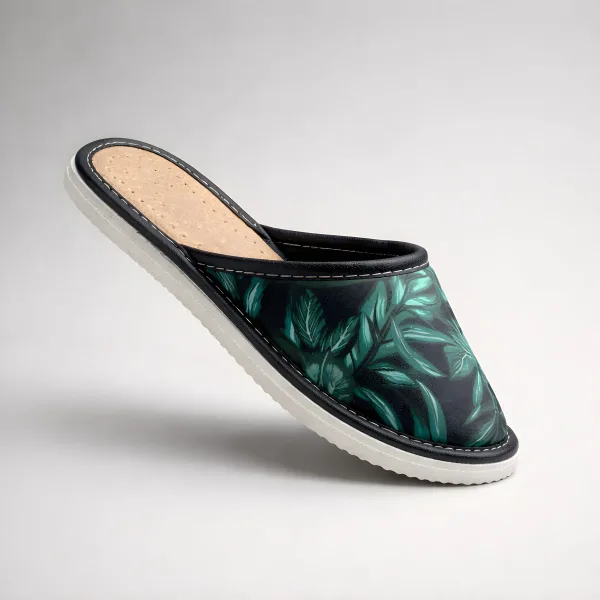
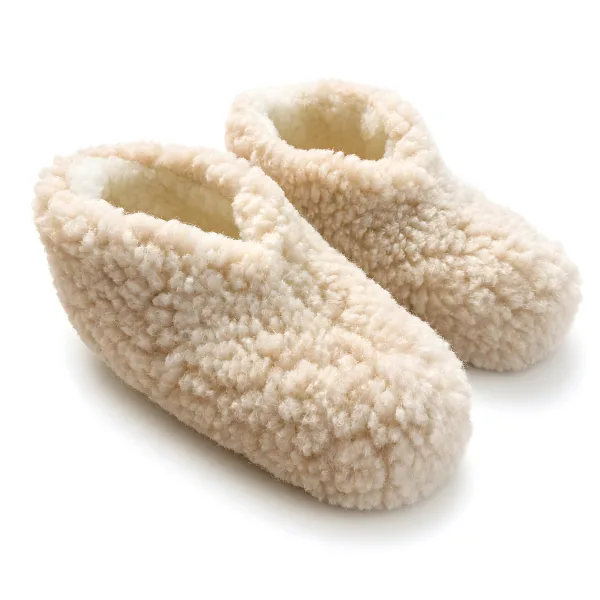
Then in autumn all you need to do is air them – and enjoy warm feet from the first chilly evening. If you're looking for a new pair, take a look at warm hut slippers or blankets with Tatra patterns. We explain what to look for in a blanket in our guide Tatra-style blankets.
See in our shop
In short
- The damage is done by moth larvae, which eat natural fibres.
- Store warm textiles clean and dry in an airtight cover.
- Lavender and cedar are an extra, not a guarantee.
- If moths are already there: wash, freeze and clean the wardrobe thoroughly.
Sources: Royal Museums Greenwich, Museum pests: what are they and how do we stop them?; Murator Dom (in Polish), Home remedies for moths; Ivanhoe, How to reduce the risk of moth damage.